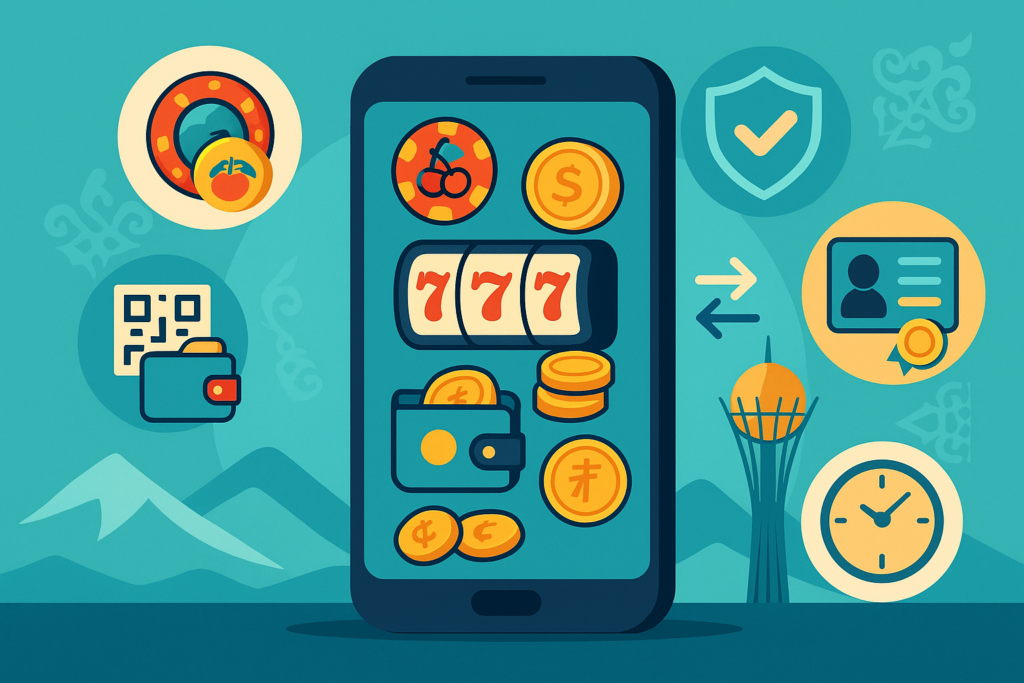
If you’re thinking about playing for real money, you’re probably not asking “Are the graphics nice?”
You’re asking things like:
- How do I deposit from here in Africa?
- Will my withdrawal actually arrive?
- Should I use mobile money, bank card, or something else?
That’s why the phrase “Pin-Up Africa payment methods in Africa” matters so much.
You’re not just choosing games – you’re choosing how your money travels in and out of the casino.
Let’s walk through it together in simple, human language.
The big picture: how Pin-Up handles payments for African players
Pin-Up isn’t just one global site with one banking menu. It runs localised versions – like Pin-Up Africa and country-focused portals – that plug into each region’s favourite ways to pay.
For African players, that usually means:
- Local currencies where possible (NGN, KES, maybe others via exchange).
- Local-friendly methods, for example:
- bank cards (Visa, Mastercard, Verve),
- direct bank transfers and local gateways like Flutterwave, OPay, PalmPay, Paga,
- mobile money in markets like Kenya,
- international e-wallets and crypto for cross-border play.
- bank cards (Visa, Mastercard, Verve),
On top of that, Africa is the global mobile money heavyweight. Recent GSMA reports show over 1.1 billion mobile money accounts on the continent and around $1.1 trillion in annual transactions.
So it’s no surprise that modern operators like Pin-Up Africa are wiring directly into mobile money rails and local fintech apps to make deposits and withdrawals feel more natural for African users.
Main Pin-Up Casino payment methods in Africa (by category)
Let’s break it down like a menu. You’ll usually see some mix of these options in the cashier.
Bank cards (Visa, Mastercard, Verve)
What it is:
The classic route – you use your debit/credit card, just like online shopping.
Pin-Up’s global and Nigerian sites list Visa, Mastercard and often Verve as key deposit and withdrawal methods, with transactions usually processed instantly on deposits.
Pros
- Familiar and easy for many urban players
- Deposits are often instant
- Works well for mid to larger amounts
Cons
- FX and bank fees if the casino balance is not in your local currency
- Some African banks don’t like gambling transactions and may block them
- You’re exposing your main bank card to a gambling site (even if encrypted)
Think of cards as the main road – fast and direct, but with toll booths (fees, bank rules).
Direct bank transfers & local gateways
What it is:
You send money straight from your bank account or via a local aggregator like OPay, Flutterwave, PalmPay, Paga and similar services, depending on the country.
Pin-Up Nigeria–focused pages, for example, mention:
- regular bank transfer,
- plus fintech gateways that sit between your bank and the casino in a more user-friendly way.
Pros
- Good for larger amounts (deposits or withdrawals)
- Feels “official” – money moves through your regular bank
- Local gateways can speed things up and reduce friction
Cons
- Transfers can be slower than cards or wallets
- Banks may ask extra questions about large gambling-related flows
- Minimum deposit and withdrawal amounts are sometimes higher than for cards
This is more like a highway with checkpoints – strong, reliable, but not always the quickest for quick top-ups.
Mobile money
Here’s the star of the African payments show.
What it is:
Wallets tied to your phone number (like M-Pesa and similar services), used every day for bills, transfers and shopping.
Pin-Up Africa–focused sites emphasise support for popular mobile money brands and local currencies, especially in markets like Kenya and Nigeria.
Given that Africa processes 65%+ of global mobile money transaction value and has over half of the world’s mobile money users, it makes sense that casinos plug into what you already use daily.
Pros
- Feels natural – same tool you use for airtime, bills, small transfers
- Great for small to medium deposits
- When integrated properly, withdrawals can be very fast
Cons
- Very easy to overdo “just one more small deposit”
- This is often the same wallet you use for essentials – extra risk if you’re not strict
- Limits and fees vary by operator
Mobile money is like cash in your pocket, but digital – convenient, powerful, and dangerous if you don’t protect it from impulse decisions.
E-wallets and fintech apps
What it is:
Digital wallets and apps that sit between your bank and the casino – think of services like Skrill/Neteller (where available), and regional fintech apps in specific African countries.
Global Pin-Up reviews mention Skrill, Neteller, AstroPay, Google Pay–type flows and similar wallets.
African-focused versions often highlight local fintech apps, so you can pay with tools you already use for bills and peer-to-peer transfers.
Pros
- Often very fast for both deposits and withdrawals
- Can help you separate “casino money” from your main bank account
- Good for people who already live heavily in digital finance
Cons
- Not every wallet is available or well supported in every African country
- Some charge their own fees or FX spreads
- You may need to verify your wallet separately with KYC before using it fully
Think of e-wallets as a middleman with a backpack – they carry your money for you, but they also have their own rules.
Cryptocurrencies (BTC, USDT, etc.)
What it is:
Digital coins and tokens like Bitcoin, Ethereum, USDT used directly as a payment method.
Several Pin-Up reviews and some African-facing portals highlight that the casino supports crypto deposits and withdrawals alongside traditional methods.
Pros
- Cross-border friendly – less tied to any single country’s banking system
- Fast once the transaction is confirmed on the blockchain
- Can be useful when local banks are strict about gambling
Cons
- Price volatility – the value of your “win” can change quickly in fiat terms
- You need basic crypto knowledge (wallets, addresses, network fees)
- Mistyped addresses = lost funds
Crypto is like driving your own car off-road – it’s powerful and flexible, but there’s more that can go wrong if you don’t know the terrain.
Comparing Pin-Up Casino payment methods in Africa (thematic table)
Here’s a simplified view to help you compare options:
| Method type | Speed (deposit / withdrawal) | Typical fees & FX impact | Best for… | Watch out for… |
| Bank cards | Deposits instant; withdrawals 1–3 days | Bank & FX fees, possible intl card charges | Medium deposits, players used to online shopping | Banks blocking gambling, limits on card usage |
| Bank transfer & gateways | Deposits fast–medium; withdrawals medium | Bank fees, sometimes lower FX via local gateways | Larger moves, people who prefer “official” banking | Slower payouts, higher minimums |
| Mobile money | Often near instant both ways | Operator fees, sometimes small % charges | Everyday players, small/mid deposits | Spending money needed for daily life |
| E-wallets/fintech apps | Usually fast both ways | Wallet-specific fees and FX spreads | People living in digital finance already | Extra KYC with the wallet, availability per country |
| Crypto | Quick once confirmed | Network fees; price volatility vs local currency | Cross-border players, crypto-savvy users | Mistakes with addresses, wild price swings |
Your “best” method isn’t the one some review site loves.
It’s the one that fits your reality: your country, your bank, your wallet, your habits.
How deposits work on Pin-Up for African players
Exact screens differ by local site, but the flow is very similar.
Independent guides for Pin-Up Africa and Pin-Up Nigeria describe it like this:
- Log in and go to the “Deposit” or “Cashier” section.
- Pick your currency (often set at registration).
- Choose a payment method:
- card,
- bank transfer or local gateway,
- mobile money,
- e-wallet,
- crypto.
- card,
- Enter the amount – watching both:
- the minimum deposit, and
- any bonus-specific minimum if you’re chasing a promo.
- the minimum deposit, and
- Confirm and follow the instructions (OTP, app confirmation, USSD, wallet approval).
- The money appears in your Pin-Up balance, usually instantly or within a few minutes for most methods.
For example, Nigerian-focused pages mention a ₦500 minimum deposit with options like bank card, bank transfer, OPay, PalmPay and crypto, all tailored to local users.
How withdrawals work: the other half of the story
Depositing is fun; withdrawing is the real test.
Reviews and payment guides point out that once your identity is verified and you’ve had a successful cashout, Pin-Up often pays out quite fast, especially via local methods.
But there are a few important rules:
- You usually must withdraw back to the same method you used to deposit (at least up to the deposit amount).
- Your account must be verified (KYC) before serious withdrawals go through.
- Each method has its own limits:
- minimum withdrawal,
- maximum per transaction,
- and sometimes daily or monthly caps.
- minimum withdrawal,
In Africa-focused setups, operators increasingly integrate local gateways directly (e.g. OPay, Flutterwave, bank APIs), removing international middlemen to speed payouts.
That’s why you’ll hear stories like:
“My mobile money withdrawal hit my wallet almost instantly, once approved.”
…or the opposite:
“My bank withdraw took a couple of days.”
Different rails, different speeds.
Choosing the right Pin-Up payment method for you
Forget “best method overall”. Focus on “best method for my life”.
Here’s a quick mental tool you can use.
Great signs you’ve picked a good method
- It’s something you already use in daily life (card, bank app, mobile money, fintech wallet).
- You understand the fees and FX involved.
- You’re comfortable with both deposit and withdrawal using it.
- It lets you separate gambling money from essentials (for example, a dedicated card or wallet).
- Your bank or provider doesn’t constantly block or question the transactions.
Warning signs you might want to switch
- You keep getting declined deposits or frozen withdrawals.
- Fees are eating a noticeable chunk of every move.
- You’re using a friend’s or relative’s method because yours doesn’t work (big red flag for KYC).
- You keep dipping into the same mobile money wallet you use for food, transport and family obligations.
- You’re using a method mainly to hide spending from people close to you.
If you see more warning signs than good ones, it’s time to pause and rethink your setup, regardless of what any review recommends.
Common payment issues at Pin-Up (and how to handle them)
No system is perfect. Here are some typical problems players run into – and what usually sits behind them.
“Deposit failed” or didn’t appear
Could be:
- A bank block on gambling payments
- A poor internet connection during checkout
- A mismatch between your card/wallet details and bank security settings
What helps:
- Try a smaller amount first
- Check if your bank allows gambling transactions
- Consider a different method (e.g. local gateway instead of direct card)
“Withdrawal pending” for a long time
Often means:
- Your account isn’t fully verified yet
- The amount triggered a security or AML review
- Your bank or wallet is slow to confirm incoming funds
What helps:
- Check your KYC status in the account settings
- Make sure you’re withdrawing to a method in your own name
- Contact support politely after a reasonable time (e.g. 24–48 hours), not 10 minutes after requesting
“Withdrawal declined: method not allowed”
Reasons:
- Trying to cash out via a method you never used to deposit
- Method doesn’t support withdrawals in your region (some mobile or voucher options are deposit-only)
What helps:
- Check the payment info page for which methods support withdrawals in your country
- Use your original deposit method first, then link a new one if needed
Safety of Pin-Up Casino payments in Africa
A fair question: “Is it safe to send my money there at all?”
From a technical point of view:
- Pin-Up uses HTTPS and standard SSL encryption to secure data during transactions.
- It works under a Curacao licence in most versions, which is common in international online casinos (though not the strictest regime).
From a practical point of view:
- Big brands have an incentive to pay out normally – they live or die on reputation.
- But you still need to verify your account, keep your details up to date, and respect the rules.
On your side, safety is also about:
- Not sharing your login or SMS codes
- Not using other people’s cards or wallets
- Being honest with your personal information (fake details backfire at withdrawal time)
Think of it like online banking: the tech matters, but your habits matter just as much.
Quick FAQ – Pin-Up Casino payment methods in Africa
Which payment methods does Pin-Up Casino offer in Africa?
Depending on your country, you’ll usually see a mix of bank cards (Visa/Mastercard/Verve), bank transfers, local payment gateways (OPay, Flutterwave, PalmPay, etc.), mobile money where supported, e-wallets/fintech apps, and cryptocurrencies like BTC or USDT.
What’s the safest payment method to use?
“Safe” depends on you. For many players, a personal bank card or a verified wallet in their own name is a solid option. The key is that you understand the fees and can easily withdraw back to it.
Are mobile money payments a good idea?
They can be very convenient for small and medium deposits, especially in East and West Africa where mobile money dominates. Just remember: that same wallet often pays for essentials – so set strict limits and don’t mix up gambling with life expenses.
Can I use crypto on Pin-Up from Africa?
Many versions of Pin-Up accept crypto deposits and withdrawals, including Bitcoin and stablecoins. This can be useful when banks are strict, but you need to handle volatility and wallet management carefully.
Is there a “best” payment method overall?
No single method wins for everyone. The best option is the one that fits your country, bank/wallet, budget, and self-control – and lets you sleep peacefully after you close the casino tab.